Episode 488 – From Monster Vision to THE Game Coming Soon!

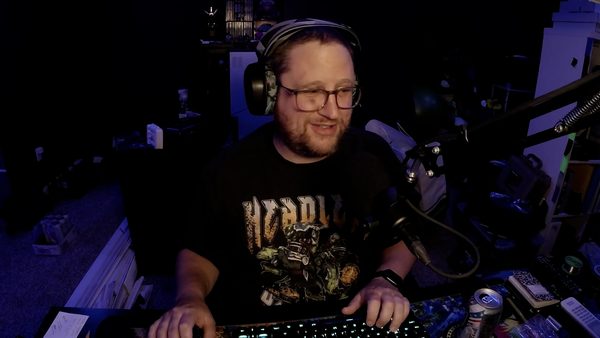
Andy Taylor and Shawn DeWeerd cover everything from portable entertainment and Smart TV privacy to AI-generated true crime, cutting the cable cord, Windows 11 privacy, security cameras and some surprisingly creative corners of social media in this Week’s TechtalkRadio Show.
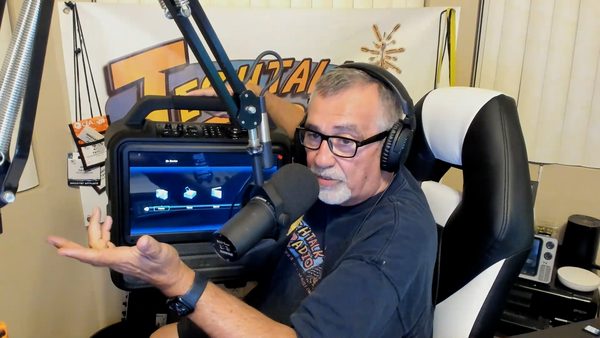
Andy kicks things off with a look at the Monster Vision 2, which we have since found has been discontinued by Monster Audio! The Monster Vision 2 still available from stock through retailers is an all-in-one portable entertainment system featuring a 15-inch Full HD display, built-in battery, FM radio, Bluetooth, HDMI, USB playback and even a microphone input. Could it be the perfect companion for camping, tailgating, backyard movie nights or emergency preparedness? Shawn, an experienced camper himself, weighs in on whether he’d actually make room for the roughly 27-pound unit on his next trip.
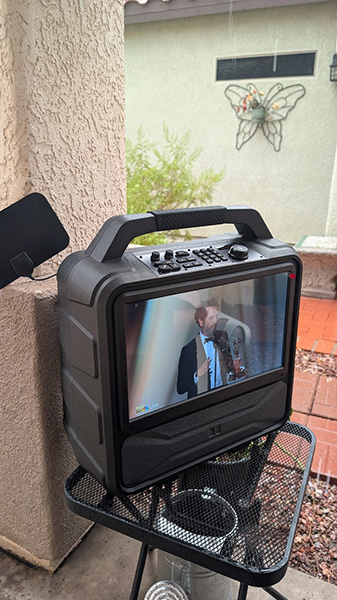
Watching outdoors on a Rainy Day

From watching TV outdoors, the conversation turns to what your television may be watching about you. Andy and Shawn discuss privacy concerns surrounding LG Smart TVs, including reports involving content recognition, network activity and the data modern televisions may collect. Gamers Nexus did a great breakdown of this story on YouTube. It raises a bigger question: when you purchase a Smart TV, how much control do you really have over the information it gathers?

Streaming is also on the menu as Andy shares his renewed appreciation for Tubi. While Netflix, Max, Disney+, Hulu and Paramount+ continue competing for subscription dollars, Tubi offers a growing catalog of movies and programs at no charge—as long as you’re willing to sit through the commercials. Andy even found the Lost Documentary – Getting Lost which he was on the fence about paying to watch it VOD.

AI takes the conversation in a much more unsettling direction with a discussion of an upcoming true-crime production titled Unmasking a Monster: Aileen Wuornos using digital technology to recreate the likeness of serial killer Aileen Wuornos. The Trailer is available on YouTube but nothing on the ID Website at press time. Instead of traditional dramatic reenactments, technology is being used to make the recreated scenes appear far more authentic. Andy and Shawn debate whether this is an impressive application of AI—or whether entertainment has crossed a line that may be difficult to uncross.

That leads into the changing economics of artificial intelligence and cloud computing. Shawn explains why the cost of processing, bandwidth and storage is causing some organizations to reconsider putting everything in the cloud and instead bring computing resources back on-premises. Even AI music services such as Suno are beginning to adjust limits as companies work to balance powerful technology with the very real cost of providing it.

Listener Martin from Sahuarita asks whether it might finally be time to dump expensive cable television and move to YouTube TV. Andy and Shawn talk about DVR functionality, local channels, streaming quality, internet requirements and whether switching could actually save money. Shawn shares his family’s experience with the service and why a trial may be the best way to determine whether cutting the traditional cable connection makes sense.

Security cameras come up next when Andy asks Shawn about replacing one of his Google Nest cameras. Andy has his eye on a Wyze solar-powered pan camera, but Shawn has an important warning involving a voluntary safety recall and the danger of using the wrong mounting screws. Shawn also shares his experience with Wyze cameras and his recently replaced video doorbell.

Another listener, Lauren from Tucson, has a Windows 11 privacy question: Is her computer really taking pictures of what she does to help AI? That brings up Microsoft Recall, the optional feature on Copilot+ PCs designed to capture snapshots of activity so users can later search what they’ve seen. Andy and Shawn discuss the privacy concerns surrounding Recall, ways users can investigate their settings, and why the feature has generated so much controversy.

Andy also highlights some social-media creators who prove there’s more to TikTok than endless scrolling. Among the creators discussed are Planet Antonio, who transports viewers into a live black-and-white 1940s newsroom also Cale Brown, whose clever editing can turn one dancer into an entire synchronized group—without relying on AI. Also Babka21wekk has an impressive following and is entertaining. Another creator that Andy enjoyed was The Liz Effect which takes the idea of DJ’ing Music to a Live Audience and was a fun watch with the banter and comments.

Finally, Shawn reveals what he’s been doing with Suno: creating World of Warcraft-inspired parody songs. His “DuhWeirdy” project combines familiar musical ideas with characters, events and inside jokes from the World of Warcraft universe. It’s another example of how generative AI can become a creative tool when somebody brings a fun idea to the technology. Here is one of the Videos with music creation

Portable TVs, privacy concerns, streaming choices, AI ethics, cloud costs, Windows 11, security cameras, creative video and World of Warcraft parody songs—it’s another wide-ranging trip through technology with Andy Taylor and Shawn DeWeerd on TechtalkRadio. Thanks for checking us out! Subscribe on our YouTube Page!

Links Mentioned This Week:

Monster Vision 2 – No Longer Available from the Manufacturer (Amazon Link)

Gamers Nexus YouTube – Breakdown of the Story behind LG Privacy

Tubi – Ad Supported Streaming Service with Lots of Content

Suno – Music Generation Program Shawn has been using

Wyze Solar Powered Pan Cam – 2k features with Solar Power

Shawns YouTube Project DuhWeirdy

TikTok Content Creators Andy Likes



Episode 487 – Fake Ads, Instant Photos and Dust Bunnies

This week on TechtalkRadio, Andy Taylor, Shawn DeWeerd and Justin Lemme get together for a wide-ranging conversation that begins with Shawn’s continuing cleanup after a basement flood—and quickly turns into a discussion after Andy notes that some Home Repair Companies are using A.I. to create recreations of home disasters focusing on how artificial intelligence is changing the media we see and hear every day.

Andy brings up the growing number of AI-generated television commercials, including ads where the visuals—and possibly even the music—have that unmistakable AI feel. Shawn talks about his experience creating parody music with Suno and how, after spending hours working with the platform, he has begun recognizing certain rhythms, vocal inflections and other characteristics of AI-generated music. The discussion raises a bigger question: as AI-generated images, music and video become more convincing, will we constantly wonder whether what we’re seeing and hearing was actually created by a person?

Andy also shares a positive use for generative AI: using Suno to turn lyrics written for a man’s 70th birthday into a personalized song for a video presentation. It’s an example of where AI can become a genuinely useful creative tool rather than simply replacing traditional content creation.

Justin demonstrates just how quickly generative AI works by creating a ridiculous AI advertisement during the show. The conversation then moves into Grok inside Tesla, with Justin explaining how he can talk to the AI from his car, ask questions and even use it to help with navigation. That leads the guys into comparing the strengths of Grok, ChatGPT, Gemini, Claude and Microsoft Copilot—and how different AI platforms may be better suited for different jobs.

Photography gets plenty of attention, too. Andy talks about using Photoshop, Lightroom and AI tools such as Gemini to restore old family photographs, and the guys discuss why vintage Polaroids can be especially difficult to clean up without changing the character of the original image. Shawn makes the case for leaving many Polaroids alone—the imperfections, light leaks and unusual colors are part of what makes instant photography special.

That conversation leads naturally into the new Pokémon and Polaroid collaboration, including special-edition Polaroid Go cameras, Pokémon-themed designs and collectible film frames. The crew also talks about how something that was once considered inexpensive instant photography has become a much more costly hobby.

Later, the discussion turns practical when a listener asks about improving a home network. Justin explains the advantages of mesh Wi-Fi, discusses options including Orbi and TP-Link, and raises concerns about how some big-tech-connected networking products may handle user data. The conversation expands into online privacy, targeted advertising and the desire some users have to reduce their dependence on companies such as Google, Amazon and Meta.

The guys also dig into Wi-Fi 7, explaining an important point that’s easy to overlook: buying a Wi-Fi 7 router doesn’t automatically make everything faster. To take advantage of multi-gigabit Internet service, switches, network adapters, computers and other hardware throughout the network also need to support those faster speeds.

Justin brings some humor to emergency preparedness with the story of testing a small hand-crank/solar NOAA weather radio with his son just as a real flash-flood warning sounded. The frightening alert tones weren’t a malfunction—they’re deliberately designed to grab attention and activate Emergency Alert System equipment.

The show also ventures into radio communications as Shawn discusses GMRS and FRS radios, repeaters and the FCC’s concerns about large networks of linked GMRS repeaters. Shawn explains how linking repeaters across large areas can tie up frequencies shared with ordinary FRS walkie-talkies, creating interference and regulatory concerns.

The guys also share some tips about the importance of keeping your computers free of dirt and dust and share a couple or ways to do that.

TechtalkRadio Episode 484 | Do You Really Own It? Japan, AI & The Digital Dilemma

This week on TechtalkRadio, Andy Taylor, Shawn DeWeerd, and Justin Lemme reunite after Justin’s unforgettable trip to Japan, where technology bargains, innovative gadgets, and breathtaking photography took center stage. From exploring Tokyo, Osaka, and Hiroshima to shopping eight-story electronics stores and testing cutting-edge portable cooling devices, Justin shares how favorable exchange rates and Japan’s technology culture made for one incredible adventure.

The conversation then shifts to a topic that affects every digital consumer: Do you really own the content you purchase? The team discusses Sony’s decision to remove hundreds of previously purchased movies from customer libraries due to licensing changes, raising important questions about digital ownership versus physical media. They also examine the gaming industry’s move toward digital-only releases, subscriptions, and downloadable licenses, asking whether consumers are slowly losing control over the products they buy.

Artificial intelligence remains a major focus as the hosts react to Adobe’s acquisition of Topaz Labs and what it could mean for photographers, videographers, and creative professionals. Will AI-powered editing become more powerful—or simply more expensive?

In a special interview, music publisher Rex Strother joins the show to discuss the growing legal battle surrounding AI-generated music. The conversation explores how platforms like Suno have sparked controversy over copyrighted songs being used to train AI models without permission, and what that could mean for musicians, publishers, and the future of original creativity.

The episode also answers listener questions, including whether eBay or Facebook Marketplace is the better option for selling unwanted items safely, along with practical advice for avoiding common online selling scams.

From travel technology and photography to AI ethics, digital ownership, gaming, and online marketplaces, Episode 484 delivers another engaging mix of real-world technology news, expert opinions, and practical advice for everyday users.